
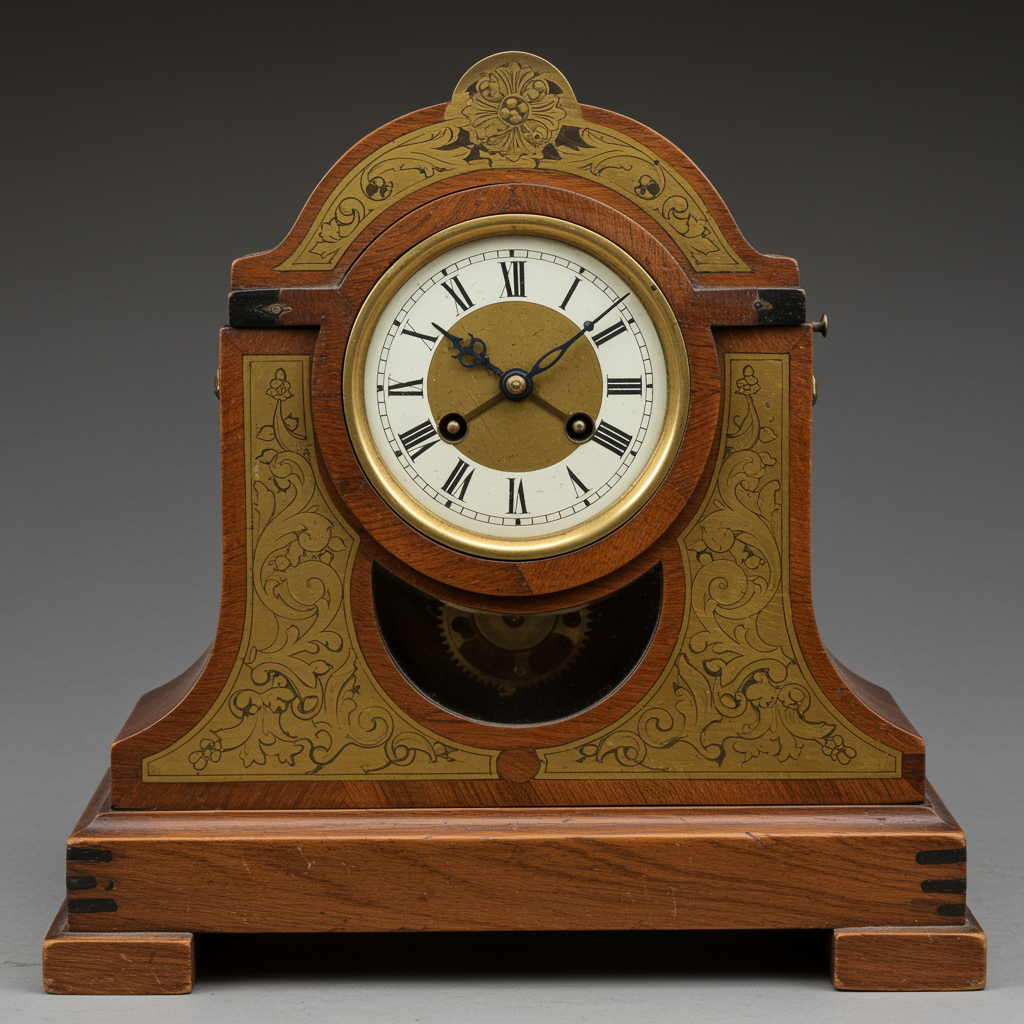
You enter a massive world of history when you visit the Rose Bowl Flea Market in Pasadena. This legendary event occurs on the second Sunday of every month. Students and collectors alike flock here to hunt for rare artifacts and everyday antiques.
The Scale And History Of The Market
Organizers launched this massive gathering over fifty years ago. They transformed the stadium parking lot into a premier destination for antique lovers. Today, you navigate past more than two thousand individual vendors selling unique items.
How The Event Started
A small group of antique dealers originally envisioned a community space to trade goods. They needed a location large enough to accommodate heavy furniture and large crowds. The iconic stadium grounds provided the perfect backdrop for this ambitious project.
You appreciate how the market grew through word of mouth. Local residents shared stories of their rare finds and incredible bargains. This organic growth turned a local swap meet into an international destination for history enthusiasts.
Understanding The Layout
You must understand the market layout to maximize your time. Organizers divide the selling areas by merchandise categories. This system helps you locate specific antiques without walking miles in the wrong direction.
The antique and vintage sections occupy specific color coded zones. You look for the orange and white areas to find the oldest historical pieces. Newer crafts and modern goods fill the other sides of the stadium perimeter.
Navigating The Antique Sections
You face an overwhelming number of choices once you cross the admission gates. Successful buyers focus their energy on specific categories of historical objects. A targeted approach prevents you from missing hidden treasures.
Furniture And Home Goods
Dealers bring trucks filled with restored and original condition furniture. You inspect heavy oak dining tables from the early twentieth century. Mid century modern enthusiasts find authentic chairs and lamps from famous designers.
You always check the joinery and hardware on these wooden pieces. Antique furniture features dovetail joints and solid brass pulls. These construction details verify the age and quality of the item.
Vintage Clothing And Textiles
The clothing section attracts fashion students and costume designers from Hollywood studios. You browse through racks of denim from the nineteen forties and fifties. Sellers offer delicate Victorian lace and handmade quilts from rural America.
You examine the stitching and fabric tags to date vintage garments. Early clothing lacks synthetic fibers and often features metal zippers. You trace the evolution of fashion trends by studying these textile artifacts.
Strategies For Antique Buyers
You need a solid plan to secure the best historical items. Professional buyers treat the market like a competitive sport. You can adopt their techniques to improve your own collection.
Arriving Early For The Best Finds
Die hard collectors purchase early admission tickets and enter before sunrise. You use a flashlight to examine goods as vendors unload their trucks. The most valuable and rare antiques often sell before the general public arrives.
You beat the crowds and the midday heat by starting early. Sellers generally show more willingness to negotiate during the first hours of the day. You secure your target items and leave while others just begin their search.
Negotiating With Sellers
Haggling remains an expected part of the flea market experience. You ask the dealer for their best price on an item you want to buy. You offer a fair counteroffer based on your knowledge of the antique market.
You build rapport with sellers by showing genuine interest in their merchandise. Vendors appreciate buyers who understand the history of an object. A respectful conversation often leads to a better price and a long term connection.
Educational Value For Students
The market serves as an interactive museum for history and design students. You touch and handle objects that most people only see in textbooks. This tactile experience deepens your understanding of past generations.
Studying Pop Culture Artifacts
You find endless examples of twentieth century pop culture spread across the folding tables. Vendors display early advertising signs, tin toys, and promotional materials. These items reflect the consumer habits and societal values of their time.
You analyze the graphics and typography used on vintage packaging. Design students draw inspiration from these early commercial art forms. You see how marketing strategies evolved alongside changes in technology.
Analyzing Market Economics
Economics students observe the basic principles of supply and demand in real time. You watch how prices fluctuate based on current design trends. An item that sells quickly today might sit unsold a few years from now.
You study how dealers price their goods based on rarity and condition. Vendors adjust their prices depending on the time of day and the size of the crowd. This environment provides a perfect case study for microeconomic theories.
What To Bring To The Market
You prepare for a long day of walking and carrying heavy items. Proper preparation ensures you stay comfortable and ready to make purchases. This simple list helps you pack for success.
- Comfortable walking shoes with good support
- A sturdy canvas tote bag or a rolling utility cart
- Plenty of cash in small bills for easy transactions
- Sunscreen and a wide brimmed hat for UV protection
- Bottled water and simple snacks to maintain energy
- A tape measure to check furniture dimensions
- A small magnifying glass for inspecting maker marks
Highlighting Rare Collectibles
You encounter items that rarely appear in traditional antique shops. Dealers save their most interesting pieces specifically for this monthly event. You need a sharp eye to spot these hidden gems.
Mid Century Modern Treasures
California served as a hub for mid century modern design. You frequently find authentic pieces from local architects and furniture makers. Dealers offer sleek teak credenzas and fiberglass shell chairs in their original factory colors.
You verify these pieces by looking for factory stamps or original paper labels. Collectors pay a premium for furniture that retains its original upholstery. You learn to spot the difference between an authentic piece and a modern reproduction.
Rare Vinyl And Media
Music historians dig through thousands of cardboard boxes filled with vintage records. You discover first pressings of classic albums and obscure independent releases. Sellers also offer antique phonographs and early radio equipment.
You check the condition of the vinyl carefully before buying. Deep scratches or warped edges completely ruin the audio quality. You learn to grade records based on strict industry standards.
Connecting With The Community
The market fosters a strong sense of community among history enthusiasts. You meet people who share your specific collecting passions. These interactions often prove more valuable than the items you buy.
Learning From Experienced Dealers
Many vendors spend their entire lives studying specific niches of antiques. You ask them questions about the origins and uses of obscure objects. They gladly share their expertise with curious buyers and students.
You build a network of trusted sources by talking to these experts. A dealer might contact you later if they find an item that fits your collection. You benefit from their years of sourcing experience.
Networking With Other Enthusiasts
You strike up conversations with other shoppers looking at the same tables. You swap tips on identifying fakes and recommend other antique shows in the area. These informal chats expand your knowledge base quickly.
You join a larger community dedicated to historical preservation. Everyone here plays a role in saving artifacts from the landfill. You share a collective responsibility to pass these items on to the next generation.
Practical Logistics For Your Visit
You manage the practical details to make your trip enjoyable. The sheer size of the event requires some basic logistical planning. You avoid frustration by knowing the rules beforehand.
Parking And Admission Options
The stadium offers several parking lots with different pricing tiers. You save money by parking further away and taking the free shuttle to the gates. VIP parking puts you right next to the entrance but costs significantly more.
You choose your admission ticket based on your goals. Early admission costs the most but gives you the first look at the merchandise. General admission starts later in the morning and costs much less.
Weather And Comfort Tips
Southern California weather gets extremely hot by the afternoon. You seek shade under the vendor tents and stay hydrated. You wear layers because the early mornings often start quite chilly before the sun rises.
You take breaks to sit and review your purchases. The food courts offer a place to rest your feet and grab a quick meal. You pace yourself to ensure you have enough energy to explore the entire event.
Comparing Vendor Specialties
You categorize vendors to understand the market better. This table highlights what you can expect from different types of sellers across the stadium.
Vendor Type | Typical Merchandise | Pricing Strategy Professional Antique Dealer | High end furniture and rare art | Firm prices based on strict market value Estate Liquidator | Entire household contents from local homes | Willing to negotiate on bulk purchases Vintage Clothing Specialist | Curated decades of fashion and textiles | Prices reflect current clothing trends Casual Swap Meet Seller | Random collectibles and used hand tools | Highly negotiable prices at the end of the day
Restoration And Care After Purchase
You must care for your new historical items once you get them home. Proper cleaning preserves the value of your antiques. You avoid harsh chemicals that strip away the original historical finish.
Cleaning Wooden Antiques
You wipe down dirty wooden furniture with a soft damp cloth. You apply a high quality paste wax to protect the original patina. You never use modern silicone sprays on antique wood surfaces because they cause long term damage.
Washing Vintage Textiles
You hand wash delicate vintage clothing in cold water. You use a gentle soap designed specifically for antique fabrics. You lay the garments flat to dry to prevent stretching and fiber damage.
Financial Planning For Collectors
You set a firm budget before you walk through the admission gates. The excitement of the event often leads to impulse purchases. You avoid overspending by bringing only the cash you plan to use for the day.
Tracking Your Inventory
You keep a notebook to record the details of your purchases. You write down the price you paid and the date you acquired the item. This record helps you track the overall value of your collection over time.
Understanding Resale Value
You research current market trends if you plan to resell your finds. You check online auction results to see what similar items bring in today. You buy items that hold their value across different economic cycles.
Transporting Your Antiques Home
You face the challenge of moving large items after a successful negotiation. Sellers generally expect you to take the item immediately after paying. You plan your transportation method before making big purchases.
You bring a truck or a large SUV if you intend to buy furniture. Some vendors offer delivery services for an additional fee. You keep their contact information and coordinate the delivery schedule carefully.
You pack fragile items securely for the ride home. Bring your own bubble wrap or packing paper just in case the vendor runs out. You protect your historical investments from breaking in the parking lot.
Why You Should Experience This Event
The monthly gathering in Pasadena offers an unmatched educational experience. You immerse yourself in history by walking through acres of artifacts. Every visit teaches you something new about art, design, and human culture.
You support small businesses and independent researchers when you buy from these dealers. The money you spend helps keep the antique trade alive. You play a direct part in preserving our shared heritage.